

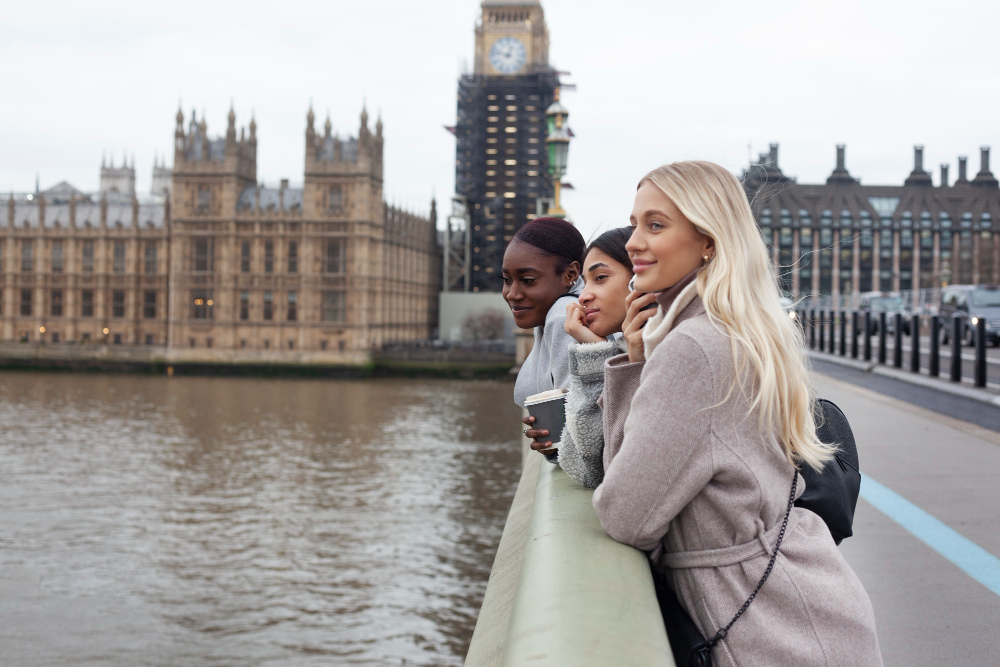
February in London offers a unique charm that savvy travelers have come to appreciate. While many visitors flock to the capital during summer months, those who venture to London in February discover a city brimming with cultural events, festive celebrations, and surprisingly fewer crowds at major attractions. Despite the winter chill, February rocks for several compelling reasons: it’s the shortest month (meaning your accommodation budget stretches further), Valentine’s Day adds romantic ambiance throughout the city, and you’ll find genuine Londoners going about their daily lives without the summer tourist crush.
The weather in London during February typically ranges from 5°C to 9°C (41°F to 48°F), with an average of 12-15 rainy days throughout the month. Don’t let this deter you—Londoners have perfected the art of embracing drizzly weather, and the city’s countless indoor attractions, cozy pubs, and covered markets mean you’ll never be caught without something spectacular to do. Daylight hours extend from approximately 7:45 AM to 5:30 PM at the start of the month, gradually increasing to around 7:00 AM to 6:00 PM by month’s end, giving you reasonable time to explore.
Planning your February London adventure requires some forethought. Popular events like Chinese New Year celebrations and West End Valentine’s specials book up weeks in advance, so early reservations are essential. The half-term school holiday (typically running February 16-24 in 2026) means family-friendly attractions see increased footfall, though still nothing compared to summer peaks. Transport can occasionally be affected by winter weather or industrial action, so always check Transport for London updates before traveling and consider building flexibility into your itinerary.
The beauty of visiting London in February lies in the unexpected moments: stumbling upon a cozy bookshop while escaping the rain, discovering a pop-up market you hadn’t planned to visit, or securing last-minute theatre tickets that would be impossible during peak season. This guide will help you navigate the best things to do in London in February 2026, from must-see festivals to hidden gems known only to locals.
Top 15 Things to Do in London in February 2026
London’s February calendar bursts with diverse activities that cater to every interest and budget. Below is a curated selection of the absolute best things to do in London in February 2026, complete with essential details to help you plan your visit.
| Event/Activity | Dates | Location | Price Range | Why Go |
|---|---|---|---|---|
| Chinese New Year Celebrations | Feb 8, 2026 | Trafalgar Square, Chinatown | Free | Experience the largest Asian celebration outside Asia with spectacular performances |
| Valentine’s Day at The Shard | Feb 14, 2026 | The Shard, London Bridge | £80-150 per person | Romantic dining 800 feet above London with panoramic views |
| Half-Term at London Zoo | Feb 16-24, 2026 | Regent’s Park | £28-36 | Special winter activities and festive lighting for families |
| London Fashion Week | Feb 20-24, 2026 | Various venues | £25-500+ | Catch emerging designers and exclusive runway shows |
| British Museum Free Tours | Daily | Great Russell Street | Free | Expert-led tours through world-class collections without spending a penny |
| Ice Skating at Somerset House | Through Feb 28, 2026 | Strand | £13-17 | Iconic outdoor rink in a stunning neoclassical courtyard |
| Winter Lights at Kew Gardens | Feb 6-March 2, 2026 | Kew, Richmond | £18-22 | Mesmerizing after-dark botanical illuminations along a two-kilometer trail |
| National Theatre Productions | Ongoing | South Bank | £15-85 | World-class performances at discounted winter rates |
| Borough Market Valentine’s Special | Feb 13-14, 2026 | London Bridge | Free entry | Artisan food stalls perfect for romantic picnic supplies |
| Science Museum Wonderlab | Daily | South Kensington | Free (special exhibits £10) | Interactive STEM activities ideal for half-term entertainment |
| Thames River Cruise | Daily | Various piers | £12-30 | Heated boats offering unique perspectives of London’s landmarks |
| Hyde Park Winter Wonderland | Through Feb 22, 2026 | Hyde Park | Free entry (rides extra) | Ice kingdom, circus shows, and festive markets |
| Pancake Day Races | Feb 17, 2026 | Various locations | Free to watch | Quirky British tradition with races across London |
| Sky Garden Visits | Daily | 20 Fenchurch Street | Free (book ahead) | Lush indoor gardens with 360-degree city views |
| West End Theatre Shows | Ongoing | Leicester Square area | £25-150 | Discounted winter tickets for Hamilton, Les Mis, and new productions |
Chinese New Year Celebrations (Year of the Horse)
The Chinese New Year festivities on February 8, 2026, marking the Year of the Wood Horse, transform central London into a vibrant celebration of Asian culture. This is unquestionably one of the most spectacular free things to do in London in February, attracting over 700,000 visitors annually to what’s widely considered the largest Chinese New Year celebration outside Asia.
Trafalgar Square serves as the main hub, hosting a grand parade featuring elaborate dragon and lion dances performed by troupes from across the UK and international groups from China, Singapore, and Malaysia. The performances begin around 10:00 AM and continue throughout the day, with traditional music, acrobatics, and martial arts demonstrations captivating audiences. Stages are erected around the square featuring live performances ranging from traditional Chinese opera to contemporary Asian pop music, creating an infectious festive atmosphere.
Chinatown itself, centered around Gerrard Street and the surrounding pedestrianized areas, becomes the heart of the celebration. Streets are adorned with hundreds of red lanterns, and special decorations honoring the Horse symbolism drape across buildings. Expect authentic food stalls offering everything from steaming dumplings and bao buns to bubble tea and traditional desserts. Restaurants offer special New Year menus, and many provide cultural demonstrations like calligraphy and paper-cutting throughout the day.
The evening culminates in a spectacular fireworks display, though the exact timing and location vary year to year due to safety regulations. Arrive early (before 2:00 PM) to secure good viewing positions, and be prepared for large crowds—the atmosphere is electric but can feel overwhelming during peak hours. Leicester Square and Piccadilly Circus tube stations become extremely busy, so consider walking from Embankment or Charing Cross for easier access.
Pro tip: Many of Chinatown’s authentic restaurants offer special set menus during the New Year period at prices lower than their regular menus. Book a table for late afternoon (around 4:00-5:00 PM) to experience traditional dishes while avoiding both lunch and dinner rushes.
Valentine’s Day Experiences & Romantic Spots
Valentine’s Day in London offers romance seekers countless options, from classic fine dining experiences to unique adventures that create lasting memories. February 14, 2026, falls on a Saturday, meaning restaurants and experiences will be at peak demand—booking several weeks in advance is essential.
The Shard presents perhaps London’s most iconic romantic dining experience. Restaurants like Aqua Shard and Hutong offer special Valentine’s menus featuring multi-course dinners paired with champagne, all while you gaze out over London’s glittering skyline from the 31st to 52nd floors. Expect to pay £80-150 per person, but the experience—watching the city lights twinkle as the sun sets over the Thames—justifies the investment. Book window tables months ahead for the best views.
Thames river cruises provide a more dynamic romantic experience. Companies like Bateaux London and City Cruises operate heated Valentine’s dinner cruises departing from Westminster, Tower, and Greenwich piers. As you drift past illuminated landmarks including the Houses of Parliament, Tower Bridge, and the London Eye, you’ll enjoy three to four-course meals with live entertainment. Prices range from £65-120 per person, and cruises typically last 2.5 to 3 hours. The constantly changing scenery creates natural conversation moments, perfect for couples at any stage of their relationship.
For a more budget-friendly romantic day, consider curating your own experience at Borough Market on February 13-14. This historic covered market near London Bridge features over 100 stalls selling artisan chocolates, fresh flowers, gourmet cheeses, and baked goods perfect for assembling a luxury picnic. Purchase champagne from wine merchants, grab fresh oysters from shellfish specialists, and collect pastries from bakery stalls, then head to nearby Potters Fields Park for Thames-side dining with Tower Bridge as your backdrop. The entire experience costs a fraction of restaurant dining while feeling equally special.
Other romantic highlights include private viewings at smaller galleries (many offer evening appointments), couple’s spa experiences at luxury hotels like The Ned or The Savoy, and catching a classic romantic film at the Prince Charles Cinema in Leicester Square, which often screens Valentine-themed classics in their cozy setting.
The South Bank becomes particularly magical on Valentine’s evening, with street performers creating ambient entertainment along the riverside walk from Westminster Bridge to Tower Bridge. Stop at one of the riverside pubs like The Anchor Bankside (dating back to 1615) for traditional British romance with historic charm.
Half-Term Family Activities (Feb 16–24)
London’s February half-term holiday, running from February 16-24, 2026, sees cultural institutions and attractions roll out special programming designed to keep children entertained while parents maintain their sanity. The key to successful half-term exploration is mixing educational experiences with pure fun, while taking advantage of indoor venues when weather turns truly miserable.
London Zoo introduces special winter programming during half-term, including “Keeper for a Day” experiences where children aged 10-15 can shadow zookeepers, prepare animal feeds, and learn about conservation efforts. The zoo’s Land of the Lions exhibit, recreating an Indian forest landscape, offers indoor viewing areas perfect for rainy days. ZSL’s winter lighting events often extend into half-term, transforming the zoo into an after-dark wonderland with illuminated animal sculptures. Standard admission runs £28-36 depending on booking method, with significant savings available by booking online in advance.
The Science Museum in South Kensington presents a paradise for curious minds, with its Wonderlab interactive gallery offering hands-on STEM activities. During half-term, the museum schedules additional workshops covering topics from rocket science to coding, many included with free general admission. Special exhibitions may carry charges (typically around £10 for children), but the permanent collections—including the actual Apollo 10 command module and Stephenson’s Rocket—captivate for hours without costing anything.
Natural History Museum, directly adjacent to the Science Museum, allows clever parents to combine both venues in a single day. The dinosaur gallery remains perpetually popular, while the Blue Zone’s mammals display, including the famous blue whale skeleton Hope suspended in Hintze Hall, inspires wonder in children of all ages. Both museums offer family backpacks containing exploration activities, available free from information desks.
Ice skating remains a quintessential winter activity, and London offers several spectacular rinks. Somerset House’s neoclassical courtyard hosts one of the city’s most beautiful rinks, while Canary Wharf’s rink offers modern surroundings in the financial district. Sessions cost £13-17 including skate hire, and half-term sessions book quickly, so advance reservations are critical.
The London Dungeon provides theatrical thrills for families with children aged 10+, combining historical storytelling with gentle scares as actors recreate moments from London’s darker past. During half-term, extended opening hours and special Valentine-themed ghost stories add seasonal flavor. Tickets run £25-30 when booked online.
For budget-conscious families, London’s parks offer excellent free entertainment. Hyde Park’s playgrounds include the fantastic Diana Memorial Playground (booking required), while Hampstead Heath provides kite-flying opportunities and panoramic city views. On genuinely awful weather days, local libraries like Idea Stores in Tower Hamlets offer free children’s activities and craft workshops—check individual library websites for half-term schedules.
London Fashion Week Highlights
London Fashion Week, scheduled for February 20-24, 2026, represents one of the “Big Four” global fashion weeks alongside Paris, Milan, and New York. While much of the official schedule caters to industry professionals, savvy fashion enthusiasts can access numerous public-facing events that showcase British design talent and international luxury brands.
The official schedule typically includes 80-100 designer shows spread across venues in central London, with notable concentrations in Soho, Mayfair, and King’s Cross. While front-row seats at major shows remain invitation-only, many emerging designers and sustainable fashion brands offer public tickets to their presentations, often priced £25-75. These tickets frequently include champagne receptions and opportunities to meet designers, providing far more intimate experiences than crowded main shows.
LFW’s “Designer Showrooms” at The Store Studios in Strand allow public access (tickets approximately £20-30) to view upcoming collections from British Fashion Council supported designers. Fashion students and enthusiasts can examine garments up close, understand construction techniques, and often purchase pieces before they hit mainstream retail—a unique opportunity for those seeking exclusive wardrobe additions.
Pop-up shops throughout Covent Garden, Carnaby Street, and Mayfair coincide with Fashion Week, offering limited edition collaborations and early access to spring/summer collections. Brands like Burberry, Mulberry, and emerging British labels often host “shop the runway” events where looks seen on catwalks become immediately available for purchase.
The after-party scene deserves mention for those interested in London’s nightlife. While exclusive designer parties remain strictly guest-list only, Fashion Week coincides with club nights and bar events across Shoreditch and Soho that attract industry crowds. Venues like The Box Soho, Tape London, and Cirque le Soir often host fashion-adjacent events with more accessible entry.
For the budget-conscious fashion lover, Free Fashion Week Events provide surprising access. The British Fashion Council typically sponsors a free public exhibition at Victoria House or similar venue, showcasing British design heritage alongside emerging talent. Street style photography opportunities abound outside major show venues—station yourself outside The Londoner Hotel or Freemasons’ Hall around show times to spot models, influencers, and industry icons.
Fashion students should note that many shows offer volunteer positions in exchange for access, with opportunities posted on the British Fashion Council website approximately six weeks before the event. Volunteering might involve checking tickets, managing queues, or assisting backstage, but provides invaluable networking and behind-the-scenes experience.
Free Things to Do in London in February
London’s reputation as an expensive city obscures a remarkable truth: many of its finest experiences cost absolutely nothing. February visitors can craft entire days of world-class cultural experiences without spending beyond transport and sustenance costs.
The British Museum stands as perhaps the world’s greatest free attraction, housing over eight million objects spanning human history from ancient Mesopotamia to contemporary cultures. The Egyptian galleries, including the Rosetta Stone and extensive mummy collections, could occupy an entire day. February sees fewer crowds than summer months, making it easier to appreciate treasures like the Elgin Marbles and the Lewis Chessmen without jostling for position. Free guided tours run daily, focusing on different collection areas—arrive 15 minutes before tour times listed at the information desk to guarantee spaces.
The National Gallery in Trafalgar Square offers free access to over 2,300 paintings spanning Western European art from the 13th to 19th centuries. Works by Van Gogh, Da Vinci, Monet, and Turner hang in climate-controlled galleries perfect for escaping February drizzle. Free lunchtime talks (typically Tuesdays and Fridays at 1:00 PM) provide expert insights into specific paintings or artistic movements, transforming casual browsing into educational experiences.
Tate Modern, housed in a converted power station on the South Bank, presents free contemporary and modern art across multiple floors. The Turbine Hall’s commissioned installations alone justify visits, with 2026’s installation promising to be spectacular based on previous years’ standards. The viewing level (Level 10) offers free panoramic city views rivaling many paid observation decks, with the added benefit of a curated art experience beforehand.
Walking London’s diverse neighborhoods provides cultural education and exercise simultaneously. Self-guided walks through areas like Shoreditch (street art), Camden (markets and counterculture), Notting Hill (pastel houses and antique shops), or the City of London (ancient Roman walls and modern skyscrapers) reveal the capital’s layered history. Free walking tour companies operate tip-based models—guides work for gratuities, typically £10-15, but legally cannot require payment.
Parks and gardens offer surprising winter beauty. Kew Gardens charges admission for its main areas, but you can walk Kew Green surrounding the gardens entirely free. St James’s Park, Green Park, and Hyde Park cost nothing and provide quintessential London scenes including pelicans, royal palace views, and the Serpentine lake. Hampton Court Palace grounds are free to explore even while the palace itself charges admission.
Change of Guard ceremonies at Buckingham Palace (scheduled for 11:00 AM on Mondays, Wednesdays, Fridays, and Sundays, though dates vary) provide classic British pageantry without tickets. Arrive by 10:30 AM to secure good viewing positions along the palace railings. The ceremony lasts approximately 45 minutes and includes military bands playing everything from traditional marches to contemporary pop hits.
Museums with free permanent collections but paid special exhibitions include the V&A Museum (decorative arts), Natural History Museum (dinosaurs and natural wonders), Science Museum (technological innovation), and numerous smaller institutions. Strategic planning allows you to enjoy permanent collections free while perhaps splurging on one particularly interesting special exhibition.
Borough Market, while requiring purchases to fully enjoy, costs nothing to explore, and the atmosphere—particularly on Thursdays through Saturdays—provides entertainment through food theatre alone. Many vendors offer free samples, and observing London’s food culture while warming up with free coffee samples makes for a pleasant hour.
Hidden Gem: February Art Exhibitions at Tate Modern
While Tate Modern’s permanent collection always impresses, February 2026 brings rotating exhibitions worth specific mention for art enthusiasts. The gallery typically schedules major solo retrospectives and thematic group shows during winter months, capitalizing on the art-hungry audience seeking indoor cultural experiences.
Based on Tate’s historical programming patterns, expect at least one major female artist retrospective (continuing their commitment to representing underrepresented voices in art history) and a contemporary political art exhibition addressing current global issues. These special exhibitions typically charge £16-20 admission but offer free entry for those under 18 and Tate Members.
The Level 2 Tanks—vast industrial spaces in the building’s basement—host immersive installations and performance art unsuitable for traditional gallery spaces. These experiences, often free despite requiring timed tickets, push boundaries of what constitutes visual art and provide memorable experiences distinct from traditional painting and sculpture exhibitions.
Tate Modern’s Friday and Saturday late-night openings (typically until 10:00 PM) transform the gallery atmosphere, with DJ sets in the Turbine Hall, cash bars, and a younger crowd creating an energetic vibe. These late events sometimes require separate tickets (£5-10) but include special programming like artist talks, experimental music performances, or film screenings alongside gallery access.
Full February 2026 Events Calendar
Planning your London visit benefits enormously from understanding how events distribute across the month. This comprehensive calendar breaks down February 2026 week by week, highlighting can’t-miss happenings and helping you strategically schedule your days.
Week 1: Lunar New Year Kickoff (February 1-7)
The month opens relatively quietly, making it perfect for experiencing major attractions without crowds before half-term chaos begins. Early February sees West End shows still offering decent seat availability, and restaurants welcome walk-ins with open arms.
Key Events:
- February 1-7: Winter Lights at Kew Gardens continues its nightly spectacular, with gardens illuminated from 5:30-10:00 PM. The two-kilometer trail features installations from international designers, transformed each year with new themes.
- February 5: Waitangi Day celebrations at New Zealand House on Haymarket bring Kiwi culture to London with performances, demonstrations, and food stalls honoring New Zealand’s national day.
- February 6-7: London Art Fair at the Business Design Centre in Islington showcases contemporary art from over 100 galleries, offering collectors and enthusiasts chances to purchase original works directly from artists and galleries.
- Ongoing: Theatre productions including new shows premiered in January continue their runs. Check Leicester Square TKTS booth for same-day discount tickets, typically 25-50% off face value.
Weather typically remains stable during this period, with temperatures hovering around 5-7°C. Museums and galleries see moderate footfall—comfortable for exploration without feeling empty or overcrowded.
Week 2: Valentine’s & Half-Term Start (February 8-14)
This week explodes with activity as Chinese New Year celebrations peak and Valentine’s Day approaches, creating London’s busiest February period. Advanced bookings become essential for quality experiences.
Key Events:
- February 8: Chinese New Year – The Year of the Wood Horse celebrations transform Trafalgar Square and Chinatown. Festivities run approximately 10:00 AM-9:00 PM, with parade schedules published closer to the date on official London Chinatown websites. Expect road closures around Shaftesbury Avenue, Gerrard Street, and Charing Cross Road.
- February 9-10: Post-Chinese New Year celebrations continue in Chinatown with extended restaurant hours and special menus throughout the weekend.
- February 11: Shrove Tuesday (Pancake Day) sees quirky pancake races across London. The Great Spitalfields Pancake Race near Liverpool Street Station typically starts at noon, featuring teams from local businesses racing while flipping pancakes.
- February 13: Valentine’s Eve sees many couples celebrating a day early to avoid February 14 premiums. Borough Market hosts extended hours until 8:00 PM with special romantic food stalls and street musicians.
- February 14: Valentine’s Day – Premium restaurant seatings, special theatre productions, and river cruises reach peak prices. Sky Garden and The Shard observation decks often extend hours for sunset viewing.
Consider visiting paid attractions like the Tower of London or Westminster Abbey during this week if you want to avoid half-term family crowds—they see moderate adult visitor numbers while families save these destinations for the following week.
Week 3: Fashion & Theatre Season (February 15-21)
Half-term begins, London Fashion Week takes center stage, and school holidays mean family-oriented attractions swell with visitors while business-focused areas remain manageable.
Key Events:
- February 16: Half-term begins for most London schools, continuing through February 24. Museums launch special workshops and extended hours.
- February 17: Pancake Day races continue across various London neighborhoods. Parliament Hill’s traditional race on Hampstead Heath starts at 11:00 AM.
- February 18-20: Street food festivals at Southbank Centre and Camden Market feature winter comfort food themes with reduced crowds compared to summer festivals.
- February 20-24: London Fashion Week brings runway shows, pop-up shops, and industry parties to venues across central London. Public access events concentrate in Covent Garden and The Store Studios.
- February 21: Free guided walks often increase during half-term. Check individual London borough websites for history walks, nature trails, and architectural tours.
Weather during this period occasionally brings the month’s coldest temperatures and highest rainfall. Indoor backup plans prove essential—fortunate that London Fashion Week provides stylish indoor escaping alongside cultural institutions.
Theatre productions specifically designed for families premiere during half-term. West End shows like The Lion King, Matilda, and Frozen add matinee performances to accommodate family audiences, while the National Theatre typically schedules family-friendly productions.
Week 4: Closing Festivals & Indoor Escapes (February 22-28)
The month’s final week sees half-term conclude, Fashion Week wrap up, and London begin transitioning toward spring. Crowds diminish, creating excellent opportunities for revisiting attractions that seemed too busy earlier.
Key Events:
- February 22: Winter Wonderland in Hyde Park closes for the season after an extended run that began in November. Final weekend sees discounted ride tickets as operators clear inventory.
- February 22-23: Fashion Week after-parties and closing events create vibrant nightlife, particularly in Shoreditch and Soho.
- February 24: Half-term ends, meaning Monday February 24 onward sees significantly reduced crowds at museums and family attractions.
- February 25-28: Jazz Café Camden and Ronnie Scott’s in Soho typically schedule major international acts during this quieter period, offering music lovers intimate concert experiences.
- February 28: Month-end means some exhibitions and temporary installations close while March programming begins setting up.
Late February brings noticeably longer daylight—sunset extends past 5:45 PM, allowing for post-work exploration if you’re visiting for business. Parks become more inviting as snowdrops and early crocuses begin appearing, heralding spring’s approach.
This final week presents ideal timing for budget travelers, as hotels reduce midweek rates following half-term premium pricing. Restaurants return to standard menus and prices after Valentine’s surcharges, and theatre shows not dependent on school holiday audiences sometimes offer particularly aggressive discounting through TKTS.
Weather in London February & What to Pack
Successfully navigating London’s February weather requires understanding the city’s temperate oceanic climate and preparing for variability rather than extremes. Unlike continental climates with predictable patterns, London’s weather shifts frequently, sometimes within the same day.
Temperature and Conditions: Average daily temperatures range from 5°C minimum to 9°C maximum (41°F-48°F), though overnight lows occasionally dip to 2-3°C and daytime highs rarely exceed 12°C. Snow remains uncommon—London typically sees fewer than three snow days annually, and significant accumulation happens perhaps once every three to five years. When snow does fall, the city famously struggles, with transport disruptions affecting even light dustings.
Rainfall defines February more than temperature. The month averages 40-50mm of precipitation spread across 12-15 rainy days, though “rainy day” is misleading—most precipitation comes as intermittent drizzle or light showers rather than all-day downpours. Heavy, persistent rain occurs roughly 2-3 days monthly. The British approach to rain reflects this reality: locals rarely use umbrellas for drizzle, instead relying on waterproof jackets with hoods.
Cloud cover persists throughout winter, with approximately 5-6 hours of sunshine daily—though “bright spells” between clouds occur more frequently than consecutive sunny hours. Grey skies dominate, creating the cozy, moody atmosphere that London does so well but potentially affecting visitors from sunnier climates.
Strategic Packing Recommendations:
Layering represents the key to February London comfort. Base layers should include 2-3 long-sleeved tops in merino wool or technical fabrics that regulate temperature and dry quickly if caught in rain. Avoid cotton, which holds moisture and leaves you cold.
Mid-layers like fleece jackets, cashmere sweaters, or lightweight down vests provide warmth without bulk, essential since most indoor spaces—museums, restaurants, theatres, and the Underground—heat aggressively. You’ll constantly add and remove layers, so packable options that stuff into bags work better than stiff, bulky coats.
Outer layer requirements depend on your cold tolerance. A waterproof, windproof jacket with a hood is non-negotiable—this should be your daily outerwear. Styles like the classic waxed jacket (Barbour-style) or modern technical shells work equally well. Length matters: hip-length provides sufficient coverage while allowing freedom of movement on London’s walkable streets. Avoid floor-length coats that make navigating crowded Tube stations awkward.
Footwear requires particular consideration. London involves significant walking—easily 15,000-20,000 steps daily for active tourists. Waterproof boots with good traction suit February conditions perfectly, particularly styles with low-profile treads that won’t slip on wet pavement. Leather boots with waterproofing treatment work well for those preferring classic looks, while practical travelers often choose Gore-Tex hiking shoes that pair reasonably with urban clothing. Bring a second pair of shoes as backup, since wet footwear needs 24 hours to fully dry indoors.
Accessories often separate comfortable visitors from miserable ones. A warm hat or beanie keeps heat loss minimal—the “you lose 40% of body heat through your head” is myth, but head covering still improves comfort significantly. Gloves or mittens prove essential for morning walks, though you’ll likely remove them indoors frequently. A compact scarf serves multiple purposes: warmth, style accent, and emergency lap blanket on chilly outdoor terraces.
Weather-Dependent Itinerary Planning:
Smart travelers build flexibility into February schedules. Morning weather forecasts (BBC Weather or Met Office apps provide hyperlocal predictions) should influence daily plans. Pleasant, dry days warrant outdoor activities: walking tours, park visits, markets, or outdoor attractions like Greenwich Observatory. Rainy stretches redirect to museums, galleries, shopping arcades, or multi-hour restaurant experiences.
The psychological impact of grey skies shouldn’t be underestimated, particularly for visitors from sunny climates. Combat seasonal dreariness by deliberately seeking bright, cheerful environments: the technicolor candy displays at M&M’s World in Leicester Square, the illuminated conservatory at Sky Garden, or the vibrant flower displays at Columbia Road Flower Market on Sundays. Cozy pubs with fireplaces—The Churchill Arms in Kensington, The Spaniards Inn in Hampstead, or Ye Olde Cheshire Cheese near Fleet Street—provide atmospheric warmth both literal and metaphorical.
Evening temperature drops of 3-5°C mean outfits suitable for afternoon exploring leave you chilled by 7:00 PM. If planning evening activities, either return to accommodations to add layers or carry an extra sweater in a daypack. Restaurant and theatre dress codes remain smart-casual in winter, meaning you needn’t sacrifice warmth for style—Londoners master the art of chic layering.
Where to Stay & Getting Around in February
Selecting optimal accommodation and understanding transport logistics significantly impacts your London February experience. Both present distinct opportunities during winter months that savvy travelers exploit for better experiences and value.
Neighborhood Selection for February Visitors:
Covent Garden provides central positioning near major February events: close to Chinatown for New Year celebrations, walking distance to West End theatres, and connected to everywhere via Covent Garden and Leicester Square tube stations. Hotels range from luxury properties like The Hoxton to mid-range chains, with February rates typically 20-30% below summer peaks. The neighborhood’s covered arcades provide sheltered shopping and dining for inclement weather days.
South Bank offers cultural immersion with Tate Modern, National Theatre, and Southbank Centre on your doorstep. The riverside walk from Westminster to Tower Bridge passes major landmarks, and the area’s modern hotels (Park Plaza, Marlin Waterloo) frequently discount during winter. February sees fewer tourists clogging riverside paths, making morning jogs or evening walks genuinely pleasant.
King’s Cross/St Pancras suits travelers arriving via Eurostar and those prioritizing transport connections. The neighborhood has transformed dramatically over the past decade, with Granary Square, Coal Drops Yard, and The British Library creating genuine destination appeal beyond the train stations. Hotels like The Standard London provide boutique experiences, while Premier Inn and Travelodge offer budget reliability. Six tube lines plus national rail access make day trips effortless.
Kensington and Chelsea appeal to those seeking residential elegance and proximity to major museums. The V&A, Natural History Museum, and Science Museum cluster in South Kensington, while Kensington High Street and King’s Road offer high-street shopping. Hotels trend toward classic British style—The Gore, Number Sixteen—with February discounts making luxury marginally more accessible.
Shoreditch and East London attract younger visitors and those interested in street art, independent coffee shops, and alternative nightlife. Hotels tend toward trendy boutique properties (Ace Hotel, The Curtain) rather than international chains. The area feels genuinely local, with Brick Lane markets and Spitalfields providing weekend entertainment.
Booking Strategies:
February occupies London’s shoulder season, creating negotiating power. Direct booking with hotels often yields better rates than third-party platforms, particularly if you call and inquire about “winter promotional rates” or “best available rate” policies. Many properties match online travel agency prices while adding perks like free breakfast or room upgrades.
Last-minute booking (3-7 days before arrival) sometimes secures exceptional deals, particularly if weather forecasts predict poor conditions. Hotels prefer marginal revenue to empty rooms, and mid-week (Sunday-Thursday) rates drop most dramatically. This strategy only works for flexible travelers without specific accommodation requirements.
Loyalty programs deliver oversized value during winter. Booking 4-5 nights during February at chain hotels (IHG, Marriott, Hilton) can achieve status tier qualifications that provide benefits for year-round travel. Off-peak redemption rates for points-based bookings mean loyalty members stretch rewards further.
Transport Navigation:
The London Underground operates efficiently year-round, though February occasionally sees maintenance work affecting weekend service on specific lines. Transport for London’s website and app provide real-time updates essential for planning. Visitor Oyster cards or contactless payment cards offer identical pricing and convenience—daily caps (approximately £8.50 for zones 1-2) mean unlimited travel once you reach the threshold.
Walking between zones 1 and 2 stations often takes 10-20 minutes and costs nothing while providing neighborhood atmosphere impossible from underground. Apps like Citymapper calculate optimal routes incorporating walking, tube, bus, and even Thames Clipper river boats, often revealing that surface routes take comparable time to underground with better scenery.
Buses remain underutilized by tourists despite offering excellent value (flat fare regardless of distance) and sightseeing opportunities. Route 11 (Liverpool Street to Fulham) passes St Paul’s, Strand, Westminster, and Chelsea. Route 15 (Tower Hill to Paddington) uses classic Heritage Routemaster buses on weekends. The top deck of any bus provides elevated views rival to tour buses at fraction of cost.
February occasionally brings strikes affecting transport services. Sign up for Transport for London service updates, and build schedule flexibility around major strike dates. When strikes occur, consider them forced opportunities to explore specific neighborhoods deeply rather than cross-city travel days.
Thames Clippers river boats run year-round with heated indoor seating, serving as practical transport between Westminster, London Bridge, Canary Wharf, and Greenwich. Oyster cards provide 10% discounts, and the journey from Westminster to Greenwich (approximately 45 minutes) delivers Thameside landmark viewing while actually getting somewhere useful.
Cycling via Santander Cycles (Boris Bikes) continues through winter, though February rain makes this less appealing than summer riding. The network covers central London comprehensively, and the first 30 minutes cost only £1.65, making single-journey costs minimal. Dedicated cycle superhighways provide safer routes, and GPS-enabled docking stations prevent getting stranded far from return points.
Budget Tips for London in February
London’s expensive reputation intimidates budget-conscious travelers, yet strategic planning reveals surprisingly affordable experiences without sacrificing quality. February’s shoulder-season status creates opportunities unavailable during peak summer months.
Free and Low-Cost Attractions:
Beyond the major museums detailed earlier, specialized free museums provide niche interests without entrance fees. The Bank of England Museum explores monetary history through interactive exhibits. The Hunterian Museum (reopened 2023 after renovations) displays medical specimens and surgical history—macabre yet fascinating. The Wellcome Collection examines medical history through art and science, hosting thought-provoking exhibitions in a stunning building with an excellent free café.
Free lunchtime concerts occur throughout February at venues like St Martin-in-the-Fields church in Trafalgar Square (Mondays, Tuesdays, Fridays at 1:00 PM), St James’s Church Piccadilly, and LSO St Luke’s. These 45-minute classical performances feature conservatory students and emerging professionals in beautiful acoustics, requiring only suggested donations.
Walking London’s neighborhoods costs nothing yet provides immersion impossible from paid attractions. Self-guided routes through Notting Hill (pastel houses and Portobello Road), Hampstead Village (literary history and views from Parliament Hill), Greenwich (maritime heritage and Prime Meridian), or the South Bank cultural strip create full days of exploration. Podcast tours or audio guides (many available free from library apps) provide context without guide fees.
Eating and Drinking Economically:
Markets deliver London’s best food value. Borough Market’s Thursday-Saturday trading sees vendors competing, with many offering generous portions at reasonable prices—£5-8 buys substantial lunches from street food stalls. Similarly, Camden Market, Spitalfields, and Broadway Market provide diverse, affordable options with atmospheric settings.
Supermarket meal deals represent Britain’s unexpected culinary bargain: Tesco, Sainsbury’s, and M&S offer sandwich, snack, and drink combinations for £3-5, often featuring quality ingredients like smoked salmon or aged cheddar that would cost significantly more as individual items. These make perfect picnics for park or riverside dining.
Pub lunches between 12:00-3:00 PM often cost 30-40% less than dinner menus at identical establishments. Traditional British pub fare—pies, fish and chips, roasts—provides hearty portions usually £10-15 with atmospheric historic settings. Chains like Wetherspoons offer even cheaper options (£6-10 for meals with drinks), though lacking individual character.
Ethnic neighborhoods provide authentic cuisine at neighborhood prices rather than tourist premiums. Edgware Road’s Middle Eastern restaurants serve enormous platters for £8-12. Drummond Street near Euston offers South Indian vegetarian food at similarly low prices. East End’s Bangladeshi restaurants along Brick Lane compete aggressively with £7-9 curry meals, though quality varies—follow local crowds.
Attraction and Entertainment Savings:
The London Pass and similar discount cards require careful calculation—they only provide value if you visit 4-5 attractions daily for multiple consecutive days, which exhausts most visitors. Instead, purchase individual attraction tickets online weeks ahead for 10-25% discounts compared to gate prices. Sign up for newsletters from attractions you’ll visit, as they occasionally send promotional codes for additional savings.
Theatre tickets through TKTS booth in Leicester Square offer same-day discounts up to 50% for many shows, though popular productions rarely discount significantly. Alternative strategies include day-seats (tickets released morning of performance), standing room (Royal Opera House offers £10 standing positions), or Monday-Thursday performances which cost less than weekend shows.
Many West End shows offer lottery tickets—register via show-specific apps or websites for chances to purchase excellent seats at £20-30. While winning isn’t guaranteed, odds improve during February’s lower demand periods.
Free trials of cultural memberships can provide savings for visitors staying 5+ days. The National Trust and English Heritage offer trial periods that include access to properties in and around London. Art Fund membership (approximately £50 annually) pays for itself with admission to two special exhibitions while providing 50% discounts at many attractions year-round.
Transport and Practical Savings:
Daily capping on Oyster cards means unlimited travel after spending approximately £8.50 in zones 1-2, eliminating needs for multi-day travelcards. However, weekly caps (approximately £45) provide savings for visitors staying 6-7 days and traveling extensively.
Walking between stations within zones 1 and 2 saves tube fares while revealing neighborhood character. Central London’s compact size makes 1-2 mile walks entirely feasible between major areas—Covent Garden to South Bank, Oxford Street to King’s Cross, Westminster to Tower of London all take 20-30 minutes and cost nothing.
Accommodation costs drop dramatically outside zone 1. Properties in zones 2-3 cost 40-60% less while remaining 15-30 minutes from central attractions via tube. Neighborhoods like Clapham, Islington, or Stratford provide local character, lower prices, and excellent transport connections.
February hotel rates mid-week can dip to £60-80 for acceptable chain hotels, particularly if booking Sunday-Thursday stays and avoiding Valentine’s week and half-term (February 8-14 and 16-24). Apps like HotelTonight specialize in last-minute deals, though this requires schedule flexibility.
Tourist traps to avoid: Leicester Square restaurants charge 30-50% premiums compared to identical cuisine three blocks away. Oxford Street chain restaurants similarly overcharge—walk five minutes in any direction for better value. Avoid currency exchange at airports or tourist areas; use ATMs instead, preferably those inside bank branches to avoid independent machine fees.
Frequently Asked Questions (FAQ)
What is the weather like in London in February?
London’s February weather is cool and damp with average temperatures ranging from 5°C to 9°C (41°F to 48°F). Expect approximately 12-15 rainy days throughout the month, though rain typically appears as intermittent drizzle or light showers rather than all-day downpours. Snow is uncommon, occurring fewer than three days annually with significant accumulation rare. Cloud cover dominates with approximately 5-6 hours of sunshine daily. Pack waterproof layers, warm clothing, and waterproof footwear with good traction for wet pavement. The weather allows comfortable exploration when dressed appropriately—Londoners don’t let drizzle interrupt daily activities, and neither should visitors.
Are there any major events in London in February 2026?
February 2026 features several significant events. Chinese New Year celebrations on February 8 mark the Year of the Wood Horse with parades, performances, and fireworks in Trafalgar Square and Chinatown—the largest such celebration outside Asia. Valentine’s Day on February 14 brings romantic dining experiences and special events throughout the city. Half-term school holidays (February 16-24) see museums and attractions hosting special family programming. London Fashion Week runs February 20-24, offering public access to some shows, pop-up shops, and industry events. Winter Lights at Kew Gardens continues through early February with spectacular after-dark illuminations. Pancake Day races occur February 11, and numerous theatre productions and exhibitions provide ongoing cultural entertainment.
What are free things to do in London in February?
London offers exceptional free experiences year-round, particularly valuable during February’s cooler weather. Major museums with free permanent collections include the British Museum, National Gallery, Tate Modern, Tate Britain, Natural History Museum, Science Museum, and Victoria & Albert Museum. Royal Parks including Hyde Park, St James’s Park, and Green Park provide scenic walks without charges. The Changing of the Guard at Buckingham Palace offers classic British pageantry free to observe. Walking tours of neighborhoods like Shoreditch, Camden, or the City of London reveal history and culture without costs. Borough Market, Chinatown, and Covent Garden provide atmospheric browsing. Free lunchtime concerts occur at churches including St Martin-in-the-Fields. Sky Garden offers free entry (advance booking required) with panoramic city views from its 35th-floor observation deck and indoor gardens.
Is February a good time to visit London?
February presents excellent value for visiting London despite cooler weather. The month experiences significantly fewer tourists than summer, meaning shorter queues at major attractions, easier restaurant reservations, and more authentic interactions with locals. Accommodation prices drop 20-30% compared to peak season, and many attractions offer winter discounts. February’s calendar includes unique events like Chinese New Year and Valentine’s celebrations unavailable other times of year. London’s world-class museums, theatres, restaurants, and indoor attractions mean weather rarely limits activities—the city excels at providing cozy, atmospheric indoor experiences. Shorter month means efficient travel budgets. For travelers prioritizing culture, value, and avoiding crowds over guaranteed sunshine, February ranks among London’s best visiting periods.
What to do in London with kids in February?
February’s half-term holiday (February 16-24, 2026) sees London’s family attractions rolling out special programming. London Zoo offers “Keeper for a Day” experiences and winter lighting events perfect for children. Science Museum’s Wonderlab provides interactive STEM activities with special half-term workshops. Natural History Museum’s dinosaur galleries and blue whale skeleton captivate all ages, both with free entry. Ice skating at Somerset House or Canary Wharf combines exercise with British winter tradition. The Diana Memorial Playground in Hyde Park (booking required) offers imaginative play spaces themed around Peter Pan. Museums like the London Transport Museum and HMS Belfast appeal to specific interests with hands-on elements. Indoor soft play centers and activity centers provide rainy-day alternatives. Theatre shows including The Lion King, Matilda, and Frozen welcome families with matinee performances. Many attractions offer family trails and backpacks designed to engage younger visitors throughout exhibitions.
Tips for Your February London Trip
Successfully navigating London in February requires advance planning balanced with spontaneous flexibility. Book high-demand experiences—West End shows, Chinese New Year dinner reservations, Valentine’s Day restaurants—6-8 weeks before your arrival. Meanwhile, leave daily schedules loose enough to capitalize on weather variations and last-minute opportunities.
Check for 2026-specific updates to annual events closer to your travel dates. While Chinese New Year reliably falls in late January or early February, exact dates for parades, Fashion Week schedules, and special exhibitions typically confirm 4-6 weeks in advance. Follow social media accounts of venues you plan to visit, subscribe to Time Out London’s weekly newsletter, and monitor the official Visit London website for breaking announcements.
Consider combining your London stay with day trips to capitalize on efficient transport connections. Windsor Castle sits 30 minutes from Paddington Station, offering royal history in a picturesque riverside town. Cambridge or Oxford provide historic university experiences 60-90 minutes by train. Brighton’s seaside charm appeals year-round, reachable in 60 minutes from London Bridge or Victoria stations. Bath’s Roman heritage and Georgian architecture justify its two-hour journey from Paddington. These excursions provide variety while maintaining London-based accommodation.
Download essential apps before arrival: Citymapper for transport navigation, BBC Weather for hyperlocal forecasts, Transport for London for real-time service updates, and WhatsApp for communicating with accommodations and restaurant reservations. Google Maps works offline if you download London sectors while connected to WiFi, essential for navigating between attractions when data runs low.
Pack phone power banks and UK plug adapters (Type G three-pin). London involves extensive phone usage for navigation, photography, and restaurant research, easily depleting batteries before day’s end. Adapters allow charging multiple devices simultaneously in hotel rooms.
Currency considerations: UK remains on pound sterling despite being in Europe. Notify credit card companies of travel dates to prevent fraud blocks. Cards with no foreign transaction fees save 2-3% compared to cards charging conversion fees. ATMs inside bank branches typically offer better exchange rates and lower fees than standalone machines in tourist areas.
Restaurant reservations have become increasingly essential post-pandemic, even for mid-range establishments. OpenTable, TheFork, and Resy apps allow easy booking, though calling directly sometimes yields better availability or special accommodations. Mention celebrations or dietary restrictions when booking to ensure appropriate preparations.
Emergency contacts: Keep the Metropolitan Police non-emergency number (101) and NHS non-emergency medical advice (111) saved. American embassy, Canadian High Commission, and Australian High Commission locations and numbers should be noted for passport issues. Your travel insurance policy details should be accessible both digitally and in printed form.
Timezone awareness: London operates on Greenwich Mean Time in February (UTC+0), making it 5 hours ahead of US Eastern Standard Time, 8 hours ahead of Pacific Standard Time, and 11 hours behind Australian Eastern Daylight Time. Jet lag management involves morning light exposure, staying hydrated, and resisting naps beyond 20 minutes on arrival day.
Pin this guide for easy reference while planning and during your trip. Share it with travel companions so everyone understands the itinerary options and practical considerations. London in February rewards prepared visitors with memorable experiences, value pricing, and authentic encounters with one of the world’s greatest cities. The combination of world-class culture, historic architecture, and surprising winter events creates travel experiences memoriable.
Whether you’re drawn to London’s February calendar by Chinese New Year celebrations, romantic Valentine’s possibilities, or simply the appeal of experiencing Britain’s capital without summer crowds, the month offers genuine rewards. Embrace the drizzle, layer appropriately, explore boldly, and discover why Londoners love their city most when tourists stay away. February reveals London as locals experience it—resilient, creative, endlessly fascinating, and utterly itself regardless of weather.
Getting Around in Comfort:
If you’re looking for a more comfortable and stress-free way to navigate London’s February weather, consider booking a professional chauffeur service. Ridealux specializes in premium transportation throughout London, offering everything from airport transfers to full-day touring services. Instead of juggling wet umbrellas on the Tube or deciphering bus routes in the rain. A chauffeur-driven vehicle allows you to travel between attractions in warmth and comfort while maximizing your sightseeing time.
This proves particularly valuable during February when inclement weather makes multiple quick stops between indoor venues more appealing than extended walks. Whether you need transport for a romantic Valentine’s dinner, or convenient half-term family logistics for an events. Ridealux provides reliable, professional service that transforms London travel from a logistical challenge into an effortless luxury.